Spinal Stenosis: Symptoms, Facts, and A Walking Tool That Makes A Difference
Spinal stenosis occurs when the spaces in the spine become narrower, placing pressure on the spinal cord or the nerves that travel into the legs. It’s most common in adults over 50 and often linked to arthritis, disc changes, or natural age‑related changes in the spine.
When the nerves are compressed, everyday activities like walking, standing, or even finding a comfortable position can feel more difficult. The encouraging news is that with the right strategies, many people manage symptoms extremely well and stay active.
Did You Know?
- Spinal stenosis most often affects the lower back, where nerves travel down into the legs.
- Many people feel relief when they lean forward — like over a shopping cart — because this position opens the spinal canal.
- Walking uphill is usually easier than walking downhill.
- Sitting often eases symptoms faster than standing still.
- You can have stenosis on an MRI without having symptoms.
- Strengthening the hips and glutes reduces strain on the spine and improves walking tolerance.
Common Symptoms of Spinal Stenosis
Symptoms vary from person to person, but many notice patterns that change with posture and activity.
Leg & Back Symptoms
- Aching, heaviness, or fatigue in the legs when walking
- Numbness, tingling, or “pins and needles”
- Pain that improves when sitting or bending forward
- Cramping in the calves or thighs
- Leg weakness or unsteadiness
Movement & Posture Changes
- Leaning forward to relieve discomfort
- Reduced walking distance
- Slower walking speed
- Needing frequent rest breaks
- Feeling cautious on uneven ground
Persistent or worsening symptoms should always be assessed by a qualified healthcare professional.
Why It Happens
Spinal stenosis is often related to:
- Osteoarthritis
- Thickened ligaments
- Disc degeneration
- Bone spurs
- Past injury or surgery
- Natural aging of the spine
These changes reduce space in the spinal canal, irritating the nerves — especially during standing or walking.
How ACTIVATOR Poles Can Help
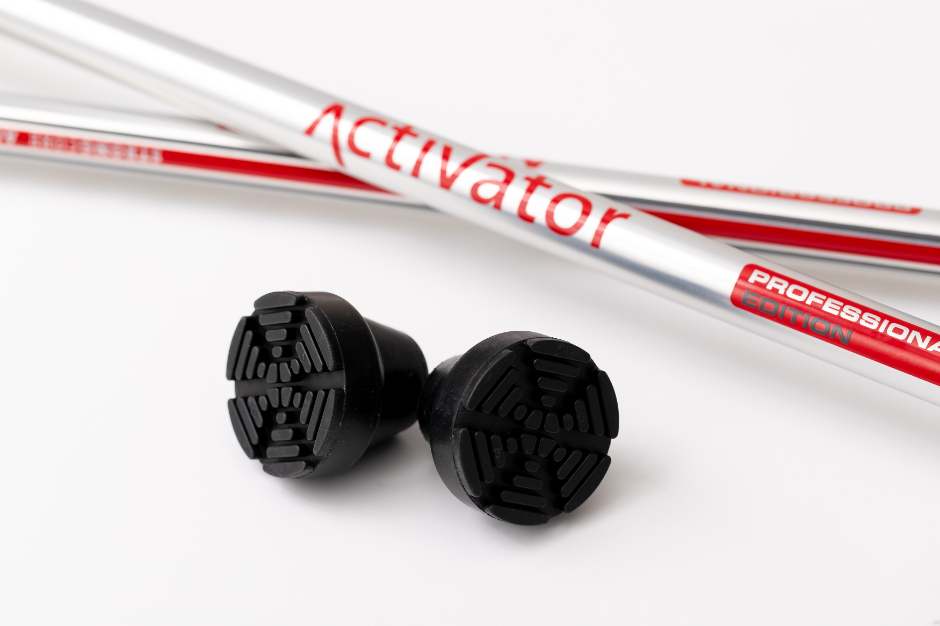
Urban Poling ACTIVATOR poles are specifically designed for people with balance concerns, mobility limitations, or conditions like spinal stenosis. They can make walking more comfortable, more stable, and more accessible.
Benefits for Spinal Stenosis
- Encourage a slight forward lean, which naturally opens the spinal canal and reduces nerve pressure.
- Improve stability and confidence, especially on uneven ground.
- Reduce load on the spine by distributing effort through the upper body.
- Promote upright posture without forcing the spine into extension.
- Activate the glutes, which support the pelvis and reduce strain on the lower back.
Many people find they can walk farther and with less discomfort when using ACTIVATOR poles for rehab — making them a powerful tool for staying active.
A Real‑Life Example: Anne’s Progress
One of my clients, Anne, lives with spinal stenosis and had reached a point where walking any distance required a cane, walker, or even a scooter for mobility. By combining targeted strengthening, pacing strategies, and the use of ACTIVATOR poles, she’s now working toward walking comfortably without relying on those devices.
The poles give her the forward‑leaning support her spine needs, while also improving her balance and confidence. Most importantly, they’ve helped her return to walking in a way that feels safe, steady, and empowering.
Her progress is a powerful reminder that the right tools — paired with the right guidance — can open the door to more independence and more movement.
What Helps Overall
While stenosis can’t be reversed, symptoms can be managed effectively with:
- Flexion‑friendly activities (cycling, water walking, gentle forward‑leaning positions)
- Hip and glute strengthening
- Core stability work
- Activity pacing
- Water exercise to reduce load on the spine
- Supportive tools like ACTIVATOR poles
With the right approach, many people regain walking confidence, improve endurance, and move with more ease.
If you’re looking for support with mobility, balance, or walking confidence, let's find the right tools — including ACTIVATOR poles — to keep you moving. Book a Discovery Call today to explore your options.
May 14th, 2026